Adults and children oftentimes enjoy sleeping with household pets. They can keep us warm, feel comfortable, make us feel safe and loved. They may lick our faces, hands or other exposed areas before or during sleeping time. Scratches and bites, wounds, abscesses, ulcerations or other breaks in the
Read more
Sherle Thompson:
(423) 991-0979
Tom Cawood: (423) 991-9562
Shari Steven: (423) 774-2611
Kathy Cawood: (423) 364-3567
222 Sequoyah Access Rd,
Soddy Daisy
TN, 37379
Veterinarian Owned
Sherle Thompson:
(423) 991-0979
Tom Cawood: (423) 991-9562
Shari Steven: (423) 774-2611
Kathy Cawood: (423) 364-3567
222 Sequoyah Access Rd,
Soddy Daisy
TN, 37379
Veterinarian Owned
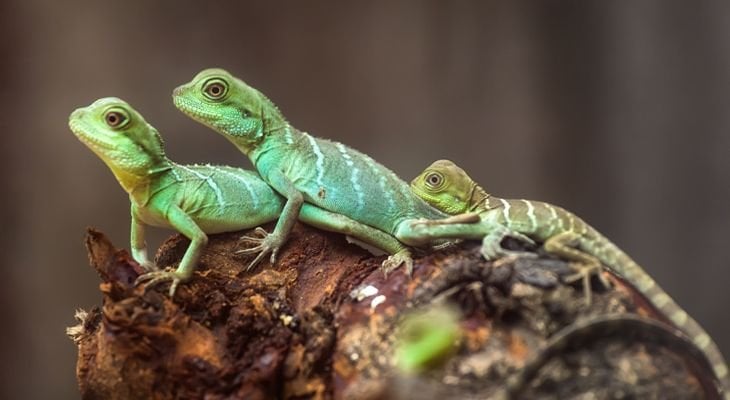
People with limited living quarters may find that reptiles such as lizards or turtles fit perfectly into their lifestyles. Before deciding on a reptile, learn as much as possible about them and their needs. Poisonous snakes and certain reptiles should never be kept as pets. Ask your veterinarian about the suitability of a particular animal before you make your decision. There are many things to consider before committing to a reptile as a pet.
Finding out if a Pet is Legal Where You Live
Many areas have enacted laws pertaining to keeping reptiles. Some are general and some are quite specific; in many places any reptiles that are considered dangerous (venomous snakes, alligators, etc.) are illegal but some places are even more restrictive (for example, in some states all constricting snakes including ball pythons are illegal).
Salmonella Risks and Prevention
All reptile owners need to be informed about Salmonella infections. While the risks shouldn't keep most people from keeping reptiles since with the proper management the risks are minimal. Still, owners should be aware of the risks, and the US Centers for Disease Control recommends that certain risk groups should be careful about contact with reptiles and amphibians.
The Importance of Light and Heat
Many problems with keeping reptiles can be traced back to not providing the proper environmental conditions, particularly heat. Proper lighting is also important for many reptiles. The equipment to provide the proper heat and light to captive reptiles is often quite expensive, but is absolutely essential to keeping pet reptiles healthy. It is important to find out exactly what conditions your reptile needs and never cut corners when it comes to meeting those conditions!
Why Choose Captive Bred Reptiles
There are numerous reasons why you should pick a captive bred reptile if at all possible, as explained here.
How to Pick a Healthy Reptile
It is important to keep in mind that depending on where you get a reptile, it may be very stressed, dehydrated, and prone to illness. Here are some items to look for when buying your reptile to increase the chances of picking out a healthy pet reptile.
While there are many types of reptiles that could be good pets, here we cover a few you could consider.
-
Take Preventative Measures When Sleeping With Pets
Category: Newsletter Library, Tips for Pet Owners
-
Ten Tips to Keep Kids and Pets Safe
Category: Newsletter Library, Tips for Pet Owners
Parents love both their children and their pets. Many pet owners even call their pets fur children. But it is important to create a safe and healthy environment for both children and pets. We especially worry about parasite and bacterial transmission from animals to people, although the reverse can occur
Read more -
The Myth of Natural
Category: Newsletter Library, Keeping Pets Healthy
Pet owners occasionally tell veterinarians they are reluctant to use prescription medicine, spot-on flea products, heartworm preventatives, etc, because they would rather use something that is "natural." They are afraid of chemicals, and would rather use something that is organic or natural. But what
Read more -
Ringworm in Cats and Dogs
Category: Newsletter Library, Keeping Pets Healthy
Ringworm is not actually caused by a worm, but rather by a fungus that infects the outer layer of skin and hair. It is a zoonotic disease, meaning it can be transmitted from pets to humans, or people to pets. There are numerous species of ringworm. It is most commonly recognized in cats (often kittens)
Read more -
Orthopedic Care for Dogs
Category: Newsletter Library, Keeping Pets Healthy
Joint problems plague dogs just as commonly as they do humans. That's why orthopedic care can improve your beloved friend's quality of life. Common Orthopedic Issues A dog's joint problems may result from a variety of orthopedic injuries and illnesses. In some cases, these vulnerabilities are partly
Read more -
Natural Stress Relief for Pets
Category: Newsletter Library, Keeping Pets Healthy
One of the most common complaints from pet owners is that their pets are destructive or disruptive when they are left alone. Dogs may bark, howl, chew, dig, defecate or urinate. Although these behaviors are often a sign that dogs need to be housebroken or crate trained, they can also indicate that a
Read more -
How to Take Care of Your Pet's Nails
Category: Newsletter Library, Keeping Pets Healthy
Many pets dislike having their feet touched and their nails trimmed. Owners worry that they may hurt their pets especially if the pet struggles when having their nails cut. This is probably why many owners take their pets to their veterinarians or groomers to have this done. If you are thinking of trimming
Read more -
Home Dental Care
Category: Newsletter Library, Keeping Pets Healthy
Home dental care for your cat or dog has the same goal as home dental care for yourself, to remove dental plaque. Plaque is the sticky, whitish film with the bad taste and offensive odor that accumulates inside the mouth. Plaque is about 85% bacteria and will mineralize to form tartar. Plaque accumulation
Read more
Schedule an Appointment
Testimonials
Newsletter Signup
Sign up for more articles
Contact Us
We look forward to hearing from you
Sequoyah German Shepherds Hours
Monday
By appointment
Tuesday
By appointment
Wednesday
By appointment
Thursday
By appointment
Friday
By appointment
Saturday
Closed
Sunday
Closed
Monday
By appointment
Tuesday
By appointment
Wednesday
By appointment
Thursday
By appointment
Friday
By appointment
Saturday
Closed
Sunday
Closed
Our Location
