Has your pet suddenly started losing hair? Mange may be to blame. The common skin condition affects dogs, cats and rabbits, causing a variety of uncomfortable symptoms. Tiny Mites Cause Big Problems Mange is caused by a mite infestation. The microscopic parasites either burrow under your pet's skin
Read more
Sherle Thompson:
(423) 991-0979
Tom Cawood: (423) 991-9562
Shari Steven: (423) 774-2611
Kathy Cawood: (423) 364-3567
222 Sequoyah Access Rd,
Soddy Daisy
TN, 37379
Veterinarian Owned
Sherle Thompson:
(423) 991-0979
Tom Cawood: (423) 991-9562
Shari Steven: (423) 774-2611
Kathy Cawood: (423) 364-3567
222 Sequoyah Access Rd,
Soddy Daisy
TN, 37379
Veterinarian Owned
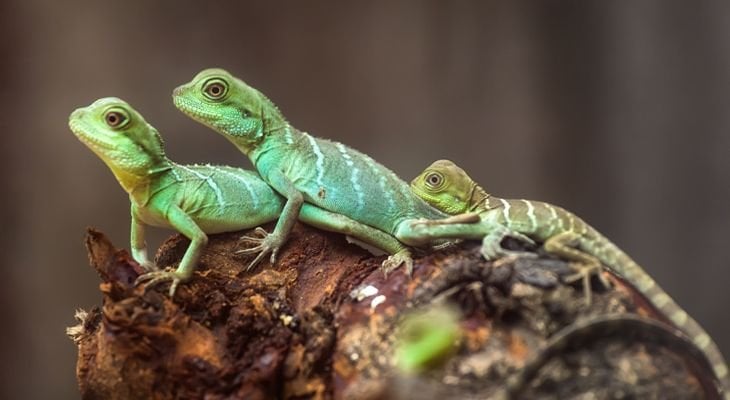
People with limited living quarters may find that reptiles such as lizards or turtles fit perfectly into their lifestyles. Before deciding on a reptile, learn as much as possible about them and their needs. Poisonous snakes and certain reptiles should never be kept as pets. Ask your veterinarian about the suitability of a particular animal before you make your decision. There are many things to consider before committing to a reptile as a pet.
Finding out if a Pet is Legal Where You Live
Many areas have enacted laws pertaining to keeping reptiles. Some are general and some are quite specific; in many places any reptiles that are considered dangerous (venomous snakes, alligators, etc.) are illegal but some places are even more restrictive (for example, in some states all constricting snakes including ball pythons are illegal).
Salmonella Risks and Prevention
All reptile owners need to be informed about Salmonella infections. While the risks shouldn't keep most people from keeping reptiles since with the proper management the risks are minimal. Still, owners should be aware of the risks, and the US Centers for Disease Control recommends that certain risk groups should be careful about contact with reptiles and amphibians.
The Importance of Light and Heat
Many problems with keeping reptiles can be traced back to not providing the proper environmental conditions, particularly heat. Proper lighting is also important for many reptiles. The equipment to provide the proper heat and light to captive reptiles is often quite expensive, but is absolutely essential to keeping pet reptiles healthy. It is important to find out exactly what conditions your reptile needs and never cut corners when it comes to meeting those conditions!
Why Choose Captive Bred Reptiles
There are numerous reasons why you should pick a captive bred reptile if at all possible, as explained here.
How to Pick a Healthy Reptile
It is important to keep in mind that depending on where you get a reptile, it may be very stressed, dehydrated, and prone to illness. Here are some items to look for when buying your reptile to increase the chances of picking out a healthy pet reptile.
While there are many types of reptiles that could be good pets, here we cover a few you could consider.
-
What is Mange?
Category: Newsletter Library, Recognizing Illness
-
Tortoises
Category: Choosing Your Pet, Exotics, Reptiles, Turtles
Tortoises can make an interesting pet, although they can present a challenge, due to their size and dietary habits. Their diets vary based on species, but all need quite a variety of foods, with careful attention paid to the amount of roughage as well as calcium/phosphorus balance. Some species have
Read more -
Animal Shelter
Category: Choosing Your Pet, Finding Your Pet
Animal shelters, or what used to be known as pounds, are either governmental or private organizations that provide temporary homes for stray, surrendered, or abandoned pet animals. They most often house dogs and cats. The animal is kept at the shelter until it is reclaimed by the owner, adopted to a
Read more -
Breeder
Category: Choosing Your Pet, Finding Your Pet
Buying from a reputable breeder gives you the opportunity to interact with the pets family, siblings, dam, also possibly the sire. You can, therefore, form a general impression of what the future holds for the pet you take home. A responsible breeder is a good source for a well-bred, healthy pet. The
Read more -
Microchipping Your Pet
Category: Newsletter Library, Tips for Pet Owners
Each year, nearly 8 million animals end up in local shelters. Of those 8 million pets, data shows that less than 20 percent of lost dogs and less than 2 percent of missing cats are ever returned to their original owners. Thankfully, there are some useful tools available to help pet owners who have lost
Read more -
Multiple Pets Benefit Families
Category: Newsletter Library, Tips for Pet Owners
Just like humans, furry family members need to have company, playmates and social interactions to be happy. Sometimes it's hard to remember that our family pets are animals first and family second. We typically look at the benefits of pets in homes from the standpoint of work and expense involved.
Read more -
New Pet? 7 Questions to Ask Your Family Veterinarian
Category: Newsletter Library, Tips for Pet Owners
Your new family member may be furry with whiskers and a tail, or have scales, hooves or even wings. If you're the proud new owner of a new pet, chances are you'll have best results integrating your new pet into your family when you include a veterinarian on your team. "Having a new pet isn't like having
Read more -
New Pets Help Families in a Changing World
Category: Newsletter Library, Tips for Pet Owners
There is no doubt that we find the little round heads and big eyes of young puppies and kittens irresistible. Millions of new pets find their ways into our hearts and homes each year. Studies show pets are a very positive addition to families or singles and even empty nesters! Pets relieve stress, add
Read more
Schedule an Appointment
Testimonials
Newsletter Signup
Sign up for more articles
Contact Us
We look forward to hearing from you
Sequoyah German Shepherds Hours
Monday
By appointment
Tuesday
By appointment
Wednesday
By appointment
Thursday
By appointment
Friday
By appointment
Saturday
Closed
Sunday
Closed
Monday
By appointment
Tuesday
By appointment
Wednesday
By appointment
Thursday
By appointment
Friday
By appointment
Saturday
Closed
Sunday
Closed
Our Location
