Do you know what vaccines your cat or dog needs?
Read more
Sherle Thompson:
(423) 991-0979
Tom Cawood: (423) 991-9562
Shari Steven: (423) 774-2611
Kathy Cawood: (423) 364-3567
222 Sequoyah Access Rd,
Soddy Daisy
TN, 37379
Veterinarian Owned
Sherle Thompson:
(423) 991-0979
Tom Cawood: (423) 991-9562
Shari Steven: (423) 774-2611
Kathy Cawood: (423) 364-3567
222 Sequoyah Access Rd,
Soddy Daisy
TN, 37379
Veterinarian Owned
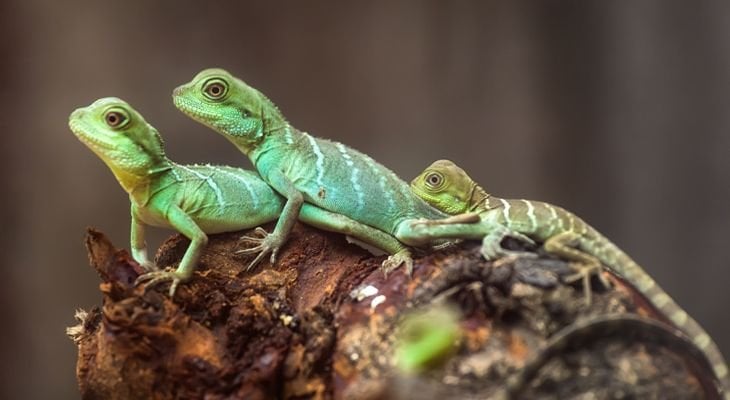
People with limited living quarters may find that reptiles such as lizards or turtles fit perfectly into their lifestyles. Before deciding on a reptile, learn as much as possible about them and their needs. Poisonous snakes and certain reptiles should never be kept as pets. Ask your veterinarian about the suitability of a particular animal before you make your decision. There are many things to consider before committing to a reptile as a pet.
Finding out if a Pet is Legal Where You Live
Many areas have enacted laws pertaining to keeping reptiles. Some are general and some are quite specific; in many places any reptiles that are considered dangerous (venomous snakes, alligators, etc.) are illegal but some places are even more restrictive (for example, in some states all constricting snakes including ball pythons are illegal).
Salmonella Risks and Prevention
All reptile owners need to be informed about Salmonella infections. While the risks shouldn't keep most people from keeping reptiles since with the proper management the risks are minimal. Still, owners should be aware of the risks, and the US Centers for Disease Control recommends that certain risk groups should be careful about contact with reptiles and amphibians.
The Importance of Light and Heat
Many problems with keeping reptiles can be traced back to not providing the proper environmental conditions, particularly heat. Proper lighting is also important for many reptiles. The equipment to provide the proper heat and light to captive reptiles is often quite expensive, but is absolutely essential to keeping pet reptiles healthy. It is important to find out exactly what conditions your reptile needs and never cut corners when it comes to meeting those conditions!
Why Choose Captive Bred Reptiles
There are numerous reasons why you should pick a captive bred reptile if at all possible, as explained here.
How to Pick a Healthy Reptile
It is important to keep in mind that depending on where you get a reptile, it may be very stressed, dehydrated, and prone to illness. Here are some items to look for when buying your reptile to increase the chances of picking out a healthy pet reptile.
While there are many types of reptiles that could be good pets, here we cover a few you could consider.
-
The Most Common Vaccinations for Your Cat and Dog
Category: Newsletter Library
-
Preparing for Your Kitten’s Developmental Milestones
Category: Newsletter Library
Need to hone in on your kitten knowledge? Check out the milestones your new pet will reach during its first year.
Read more -
What Is Ataxia in Dogs?
Category: Newsletter Library
-
Fish
Category: Choosing Your Pet, Exotics, Fish, Choosing Your Pet, Exotics
If you’re thinking of getting a pet fish, you should know that your veterinarian has a lot of good advice about pet ownership. Fish can be very rewarding as pets, and you just may be surprised about how much fish actually interact with their owners. Here’s more valuable information about choosing
Read more -
Sugar Gliders
Category: Choosing Your Pet, Small Mammals, Domesticated Animals, Sugar Gliders, Choosing Your Pet, Small Mammals, Domesticated Animals
Thinking of getting a sugar glider? These tiny marsupials are energetic and friendly, making them popular choices as pets. Though they weigh less than a half-pound, they're more closely related to kangaroos than they are flying squirrels. If you think a sugar glider would make an ideal pet for your family,
Read more -
Epilepsy
Category: Pet Health, Chronic Conditions
Epilepsy (often referred to as a seizure disorder) is a chronic neurological condition characterized by recurrent unprovoked seizures. It is commonly controlled with medication, although surgical methods are used as well. Epileptic seizures are classified both by their patterns of activity in the brain
Read more -
Seasonal Care
Category: Living With Your Pet, Providing Care
Heat Stroke Heatstroke may kill or seriously injure your pet—but it can easily be avoided by adhering to the following tips. Never leave pets in cars on warm days. Exercise your pet during the cool part of the day. Look out for rapid breathing, loud panting or staggering; these can be signs of dehydration,
Read more -
Recognizing Illnesses
Category: Living With Your Pet, Providing Care
Only a healthy pet is a happy companion. Assuring your pet's daily well-being requires regular care and close attention to any hint of ill health. The American Veterinary Medical Association therefore suggests that you consult your veterinarian if your pet shows any of the following signs: * Abnormal
Read more
Schedule an Appointment
Testimonials
Newsletter Signup
Sign up for more articles
Contact Us
We look forward to hearing from you
Sequoyah German Shepherds Hours
Monday
By appointment
Tuesday
By appointment
Wednesday
By appointment
Thursday
By appointment
Friday
By appointment
Saturday
Closed
Sunday
Closed
Monday
By appointment
Tuesday
By appointment
Wednesday
By appointment
Thursday
By appointment
Friday
By appointment
Saturday
Closed
Sunday
Closed
Our Location
